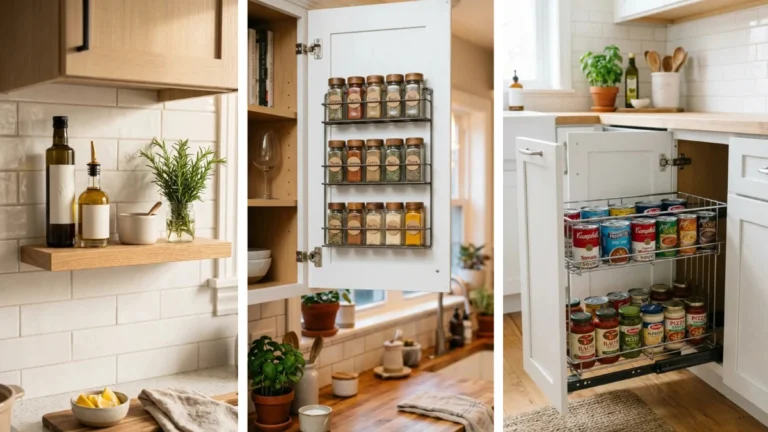
Standard organizational advice tells you to hide everything behind closed doors, fold clothes into tidy drawer stacks, and put items away immediately. If you have an ADHD brain, out of sight truly means out of mind.
Hiding your daily gear behind solid cabinet doors leads directly to forgotten items, duplicate purchases, and doom piles on the floor. Knowing how to live in a small space with ADHD requires throwing out traditional organizing rules and building low-friction systems instead.
This guide walks you through setting up visual, open-access storage zones that match your natural habits. By removing physical barriers like doors and lids, adding clear containers, and placing open drop bins right where clutter lands, you will create a small home that stays functional without draining your daily energy. The hands-on setup takes about 1 hour, using affordable tools and accessible home supplies.
Gather a screwdriver, clear bins, and wall pegs, and let us build a frustration-free space that works with your brain.
2. Replace Deep Drawers with Open Clear Bins at Eye Level
3. Mount Heavy-Duty Wall Pegs at Every Natural Drop Zone
4. Place Open Laundry Bins Directly Where Clothes Land
5. Group Daily Essentials into One Mobile Desktop Caddy
6. Label Storage Bins with Bold Words to Skip Mental Guesswork
1. Remove Closet Doors and Cabinet Covers to Keep Items Visible
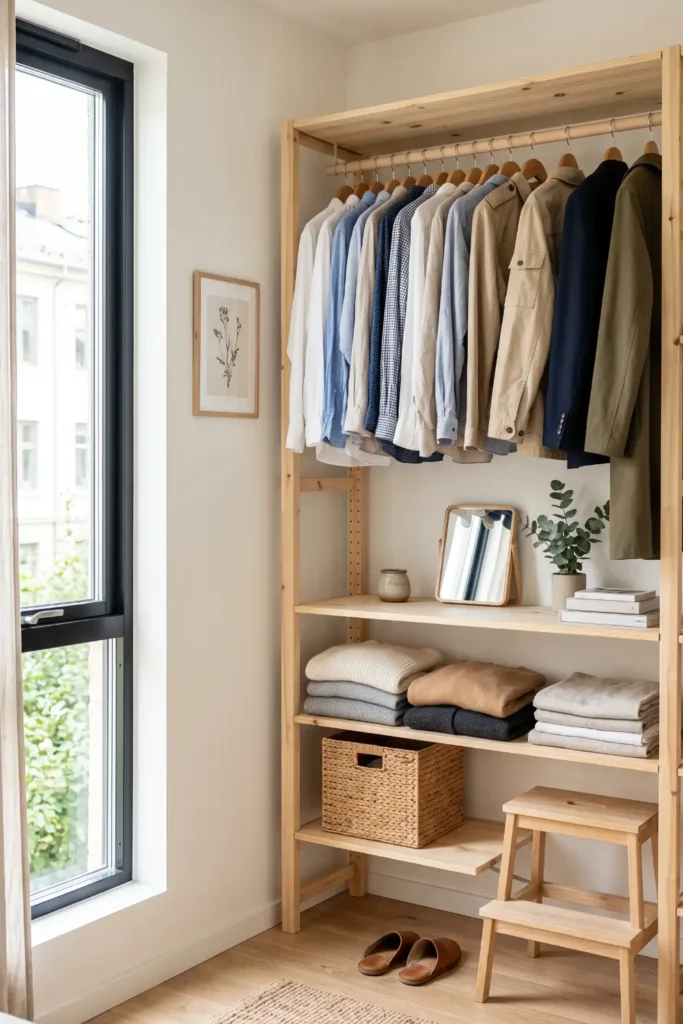
Unscrew hinge plates from your main clothing closet frame using a Phillips screwdriver. Store the cabinet doors and hinge screws inside a labeled plastic bag under your bed. Eliminating the physical step of opening a door removes a major barrier to putting clothes away. Seeing your shirts and pants directly in your line of sight reminds you what you own without digging through dark shelves.
💡 Pro Tip
If you are renting and cannot remove doors entirely, hang a lightweight tension rod with sheer fabric panels pushed open to keep clothes visible.
2. Replace Deep Drawers with Open Clear Bins at Eye Level
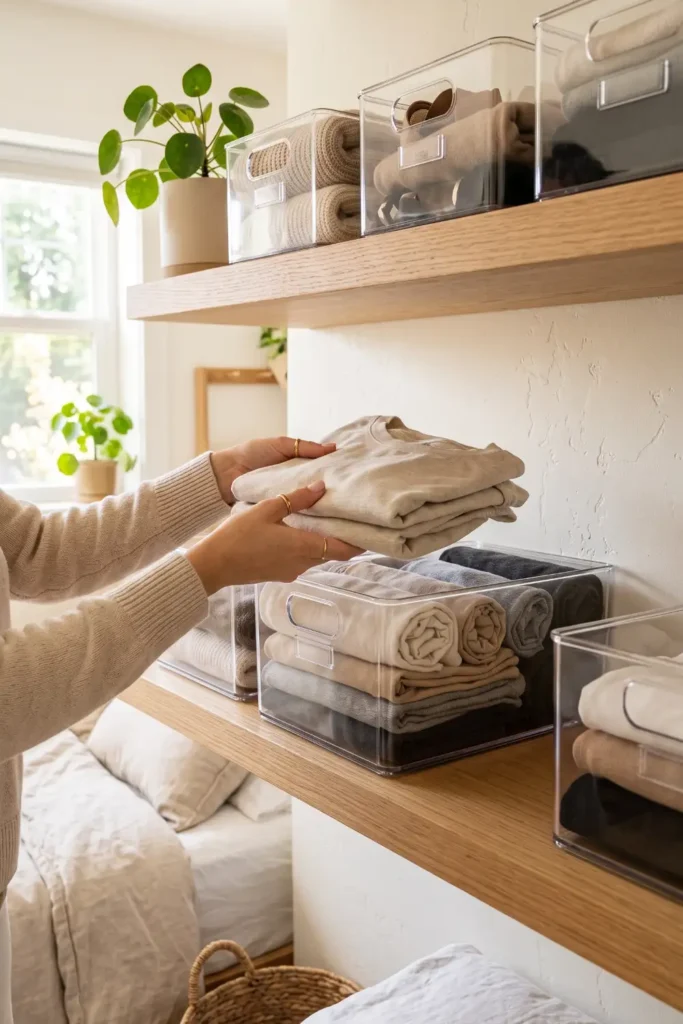
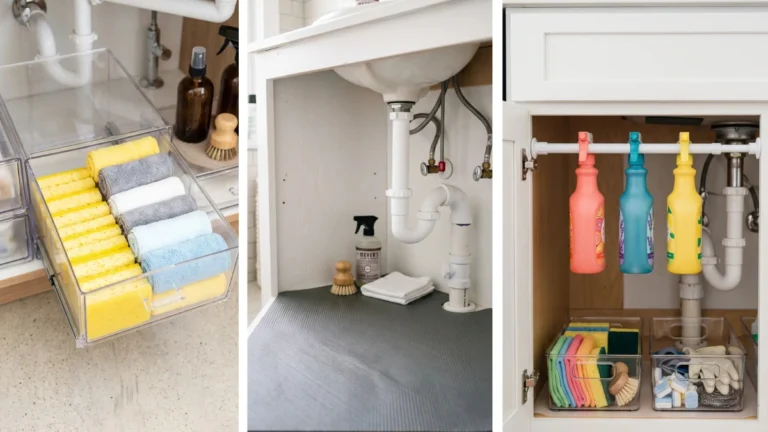
Deep wooden drawers hide stored items under dark layers, forcing you to rummage around every morning. Set 4 clear acrylic bins onto open eye-level shelves between 48 and 60 inches from the floorboards. Stashing socks, underwear, and daily shirts inside transparent bins gives you instant visual access without searching.
⚠️ Heads Up
Avoid opaque fabric bins with high sides. If you cannot see contents from across the room, items will quickly be forgotten.
3. Mount Heavy-Duty Wall Pegs at Every Natural Drop Zone
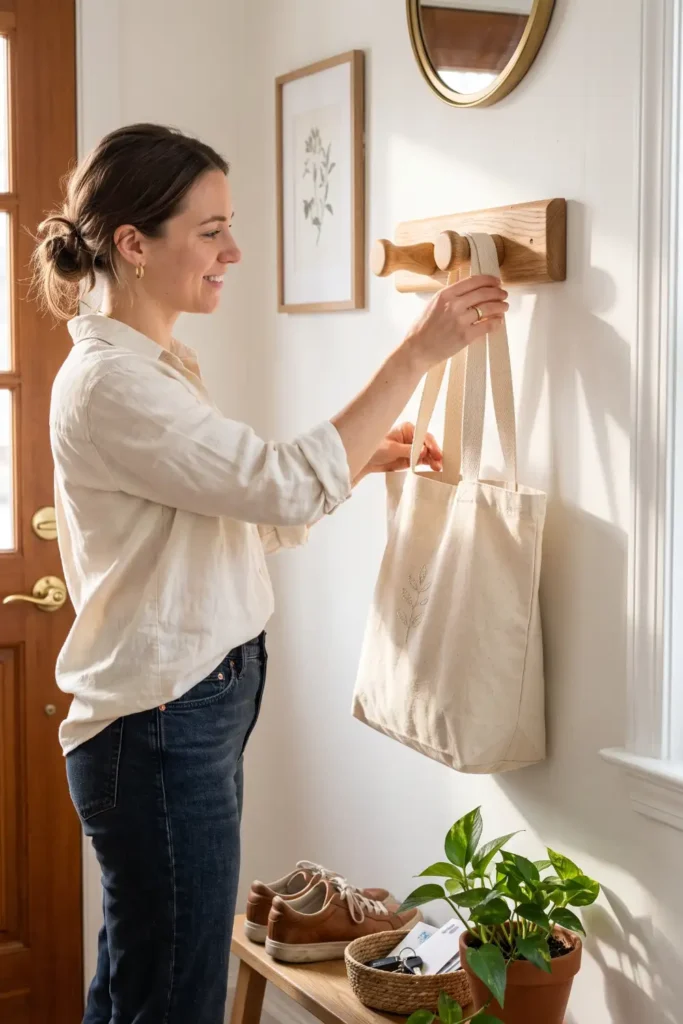
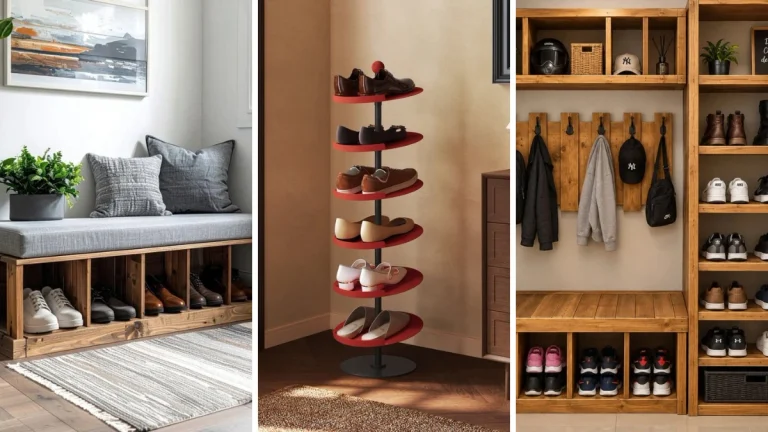
Identify the exact spots where bags, hoodies, and towels accumulate on the floor. Attach 4 heavy-duty adhesive wall pegs at those precise locations at 5 feet high. Hanging a jacket on a wall peg requires one simple motion compared to opening a closet, placing a garment on a hanger, and sliding it onto a rail.
4. Place Open Laundry Bins Directly Where Clothes Land
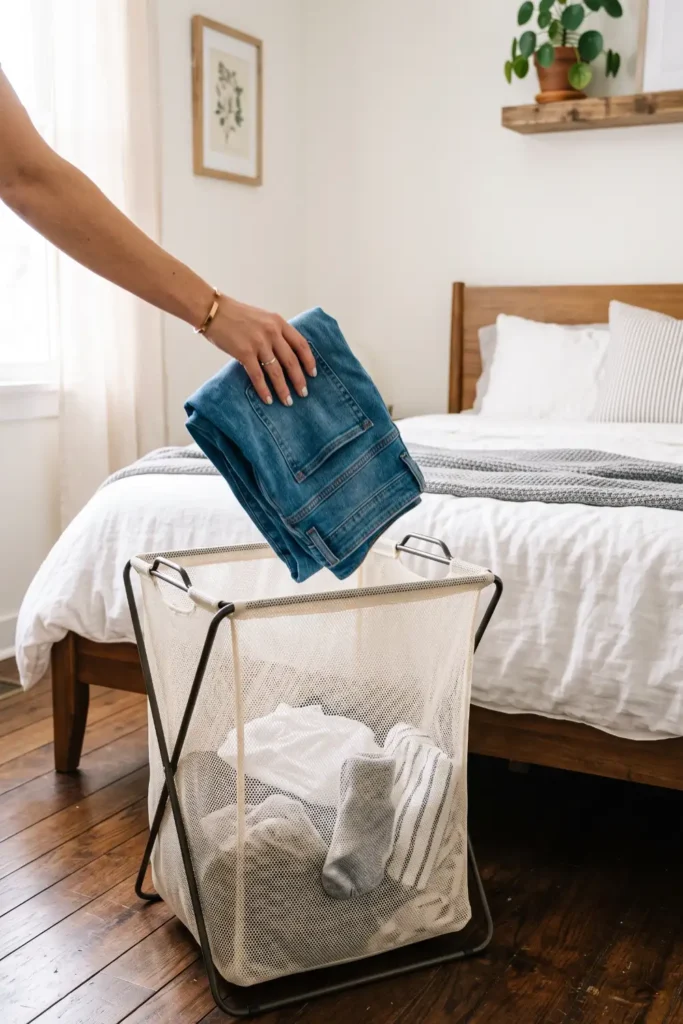
Notice where your dirty socks and jeans accumulate on the floor at the end of the day. Position 2 lidless hampers directly on top of those exact floor spots, usually within 3 feet of the bed or bathroom door. Bending down to unlatch a hamper lid or opening a closet door creates an unnecessary step that leads to floor piles. Dropping worn clothes straight into an open mesh bin takes less than 2 seconds, keeping your bedroom floorboards clear without fighting your natural habits.
5. Group Daily Essentials into One Mobile Desktop Caddy
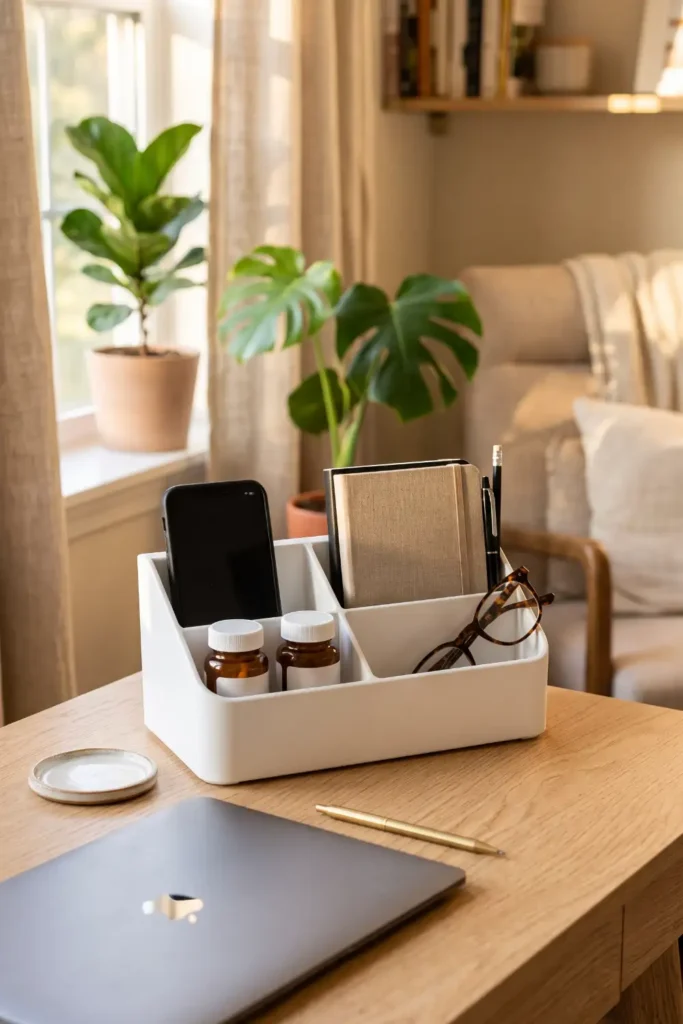
Keeping daily items together stops the morning search for lost keys and glasses. Gather your medication, wallet, lip balm, and phone charger into 1 portable desktop caddy with an easy-grip handle.
Set the caddy on your main desk during work hours, then carry it to your bedside table at night. Moving 1 single container between rooms ensures your crucial items stay visible and within arm’s reach wherever you are in your apartment.
💡 Pro Tip
Choose a caddy with built-in dividers so small items like lip balm and pills stay upright and immediately visible instead of rolling to the bottom.
6. Label Storage Bins with Bold Words to Skip Mental Guesswork
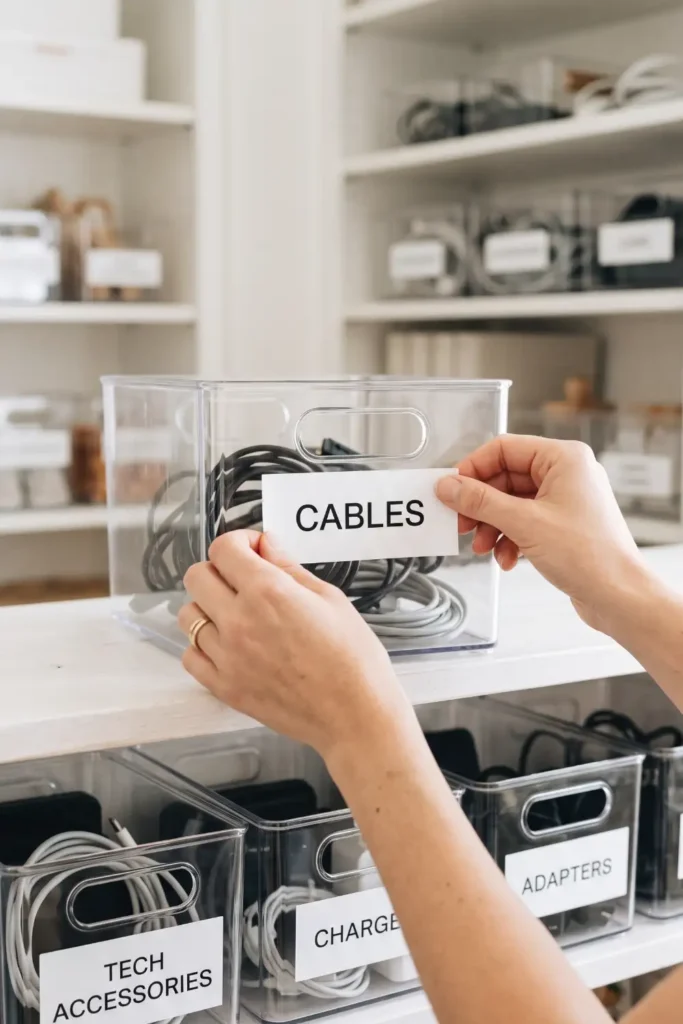
A label printer or permanent marker eliminates the mental energy needed to remember where items belong. Print 1-word labels in uppercase letters—such as “CABLES,” “TOOLS,” or “SNACKS”—and stick them to the front face of your clear bins at a height of 50 inches from the floor.
When your brain is tired, reading a clear visual label bypasses decision fatigue completely. You do not have to guess what goes inside, making both retrieval and cleanup instantaneous.
2. Clear Bins: Swap deep drawers for clear acrylic bins at eye level (48 to 60 in).
3. Wall Pegs: Mount 4 heavy-duty adhesive wall pegs at 5 ft for bags and coats.
4. Open Hampers: Place 2 lidless hampers directly where clothes land on the floor.
5. Desk Caddy: Group meds, wallet, and keys into 1 mobile portable caddy.
6. Bold Labels: Stick 1-word uppercase labels on bins to stop decision fatigue.
Conclusion
You now have a low-friction setup tailored to how your brain actually works. Removing physical doors, using clear bins, and placing open drop points where you naturally walk keeps your room organized without constant mental effort. Pick one small task—like mounting four wall pegs or unhooking a closet door—and start today. Learning how to live in a small space with ADHD is all about making daily habits effortless.
Save this guide to your small space organization boards on Pinterest so you can try these systems this weekend!